Mortise Lock Installation


When installing a door, it is always important to take into consideration whether or not it will be able to make a strong first impression. The door is the first thing that people see when they walk into a home or office and therefore it is important that the door, including the lock, be both aesthetically pleasing and functional. In order to achieve this balance, people have been using Mortise locks.
 

Why Choose a Mortise Lock?

There are numerous different advantages that are associated with choosing a mortise lock, but the most discussed is the decorative trim that every mortise lock has. This decorative trim can be purchased in many different formats that range from being ornate, almost resembling trim that could be found around an antique lock, and sleek, smooth, and modern. No less important however, is the security and strength that the lock is also able to provide. A mortise lock has the very largest lock body available, they are able to be configured in many different formats to fit whatever other hardware is needed to provide adequate security. They are able to be changed to perform any latch bolt retraction that is needed, allowing basically any type of lock to be further installed. 

Other advantages include the fact that there is not a lot of the lock being exposed when a person uses a mortise lock. This makes it a great deal more difficult for potential thieves and other wrongdoers to attempt to sabotage it, increasing the security that it is able to provide exponentially. This, combined with being able to accommodate pretty much any type of lock, including those that provide the highest security level, creates a very potent lock that is not easily bypassed.


What is the Installation Process?

In order for a mortise lock to be installed correctly, a pocket needs to be cut into the door, which is labor intensive procedure. This pocket will have all of the necessary openings to control any operations with the use of handles, levers, cylinders, and thumb turns. A mortise lock can be installed in practically any sort of door, including wood, metal that has been hollowed, and aluminum. They come in a variety of different forms, including ones that only have a latch, ones that only have a deadbolt, and a combination of the two. 

Although there is no single method of preparing a door to have a mortise lock installed, there are some similarities from installation to installation. Most mortise locks will need a 2-1/8″ cross bore at a 2-3/4″ back set. It does not matter if the additional holes will need to be drilled because the mortise lock will cover them so that they cannot be seen. The main reason why there is no standard preparation procedure is because each mortise lock varies based on the company that is manufacturing it. 

There are numerous different jigs and templates that are available for installing mortise locks. The best companies will provide aluminum templates that have been made through machining methods. These templates can be used to show the person installing the lock exactly where to drill the holes and create the openings for a specific manufacturer’s locks. The templates will be attached to the door by using clamps. Then, drill bits and other tools that are required by the template can be used to make the holes. 

Templates are used to reduce the chances of the door being damaged. However, it is always recommended to take an extended period of time with installing mortise locks in order to further decrease the chances of damage.

Posted in Lock Installation NYC, Locks, Locksmith, Locksmith Manhattan, Locksmith NYC, Locksmith videos, Medeco Locks, NY Locksmith, SOS Locksmith NYC, Tips Tagged , , , , , , , , , , , , , , , , , , , , , , , , , , , , , , , | Leave a comment

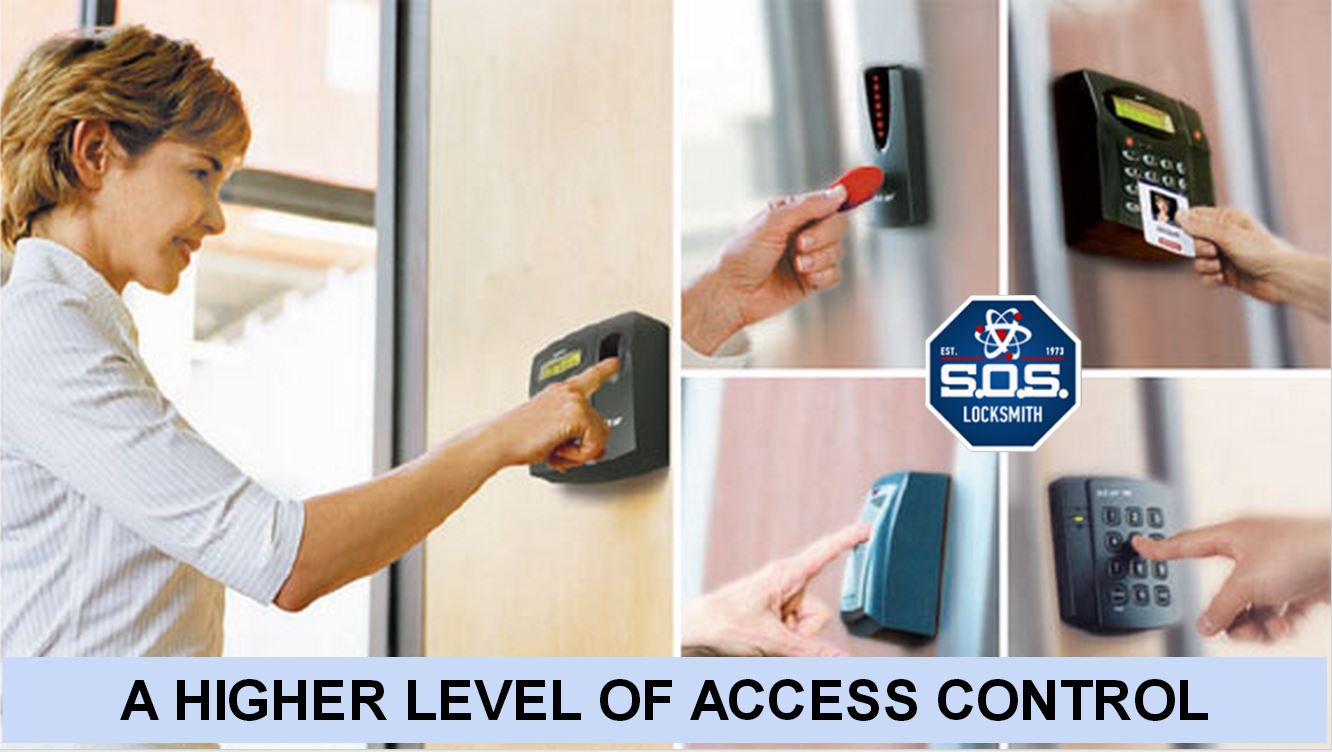
A Higher Level of Access Control

accesssss

The form and function of the traditional locking mechanism is under assault by the future. While the core usage of a lock is likely to remain the same, new models are popping up on the market, technologically superior devices outfitted with digital technology.

The Hybrid Locking Mechanism

A client can opt to stick with the traditional key and lock model of entry, but add an additional layer of digital security. A weatherproof keypad, lighting up for the user to enter an entry code, sits alongside the standard lock to offer greater flexibility and access control. The system could change the entry code every week, or the head of the family could assign a personalized access code for each member of the family, perhaps giving out guest codes that expire after a set period.

Part of the Smart Home

A locksmith is expected to match time-honored knowledge of locking mechanisms with network expertise. The latest generation of locks come as either keyed or key less models. They use Bluetooth and WiFi connectivity to hook the access system to the home network, whereupon the smart home can access other subsystems, turning on hallway lighting, drive lights, and even accessing environmental controls to turn on the heating for when the family arrives home.

Virtual Locks Over Traditional Locks

While the tumblers and pins of a high-quality lock aren’t about to be replaced overnight, the new options offered by technology are creating a stir with tech-savvy consumers. Thanks to mobile devices, a virtual key can be created and assigned to a smartphone, and then be forwarded to other family members. Without ever removing the pocketed smartphone, the home access system digitally identifies the arriving family member by recognizing the virtual key stored in an App.

The Advantages of Modular Wireless Security

One of the primary advantages of this new technology is the nod to mobile tech, the inclusion of wireless engineering that means no wires are required when installing the lock. Locksmiths simply fit the lock in the same way as any traditional mechanism, fitting the cylinder, outer casing, and engaging the locking mechanism. Digital connectivity, the same tech used in mobile devices, then allows a locksmith to effortlessly extend the access system, adding internet cameras and additional locks without ever needing to resort to wiring. It’s an attractive feature, knowing security can be altered without being tied to wires and having to drill holes, cutting channels in walls. The network then accepts the new additions with a simple change of a software configuration routine.

Practical Considerations

Looking inside the new generation of locks, a locksmith can quickly point out all of the familiar parts, but there’s additions. Those additions come in the shape of motorized drives, wireless circuitry for interfacing the lock to the home network, and a power assembly that’s likely accompanied by a set of batteries. Thanks to low power components courtesy of the mobile device industry, to low power Bluetooth and computer wizardry, the batteries will last for extended periods. Note, those same components can easily be configured to send a notification of some kind to a cell phone, warning the homeowner or the local locksmith of the need for new batteries. The same mobile communications tech also informs the cell phone of security events, of intruders and unexpected arrivals. Imagine being able to take control of the lock from work, opening the door from a smartphone with a touch.

Hybrid locks allow users to slowly adapt to the new tech, while key less entry means embracing entirely new forms of access.

Posted in Access Control, Lock Installation NYC, Locks, Locksmith, Locksmith Manhattan, Locksmith NYC, Medeco Locks, NY Locksmith, SOS Locksmith NYC Tagged , , , , , , , , , , , , , , , , , , , , , , , , , , , , , , | Leave a comment
Free Estimate

Blog